Facilities that market themselves to seniors take on a promise: the people who live there need a safer environment than the general public, and the property has to be kept that way. On July 20, 2026, the Michigan Supreme Court reinforced that promise in Bowerman v. Red Oak Management Co., Inc., and the decision is significant for anyone with an elderly or disabled loved one in senior housing, assisted living, or a nursing facility.
The Court held that when a property holds itself out as housing for elderly and disabled residents, the safety of its shared spaces must be judged with those residents in mind, not against a young, able-bodied person who could step around a hazard in the dark. For families whose loved ones have been hurt by preventable dangers in senior living settings, that reasoning is a meaningful step forward.
Key Takeaways
- In Bowerman v. Red Oak Management Co., Inc. (decided July 20, 2026), the Michigan Supreme Court revived an injured senior’s lawsuit and sent it toward a jury.
- Safety in a facility’s common areas must be judged for the elderly and disabled residents who actually live there, not for a healthy member of the general public.
- The Court rejected the “mere inconvenience of access” defense that facilities had used for years to get cases dismissed.
- A contractor that creates a hazard can be held responsible even after it finishes the job and leaves.
What Happened in Bowerman v. Red Oak
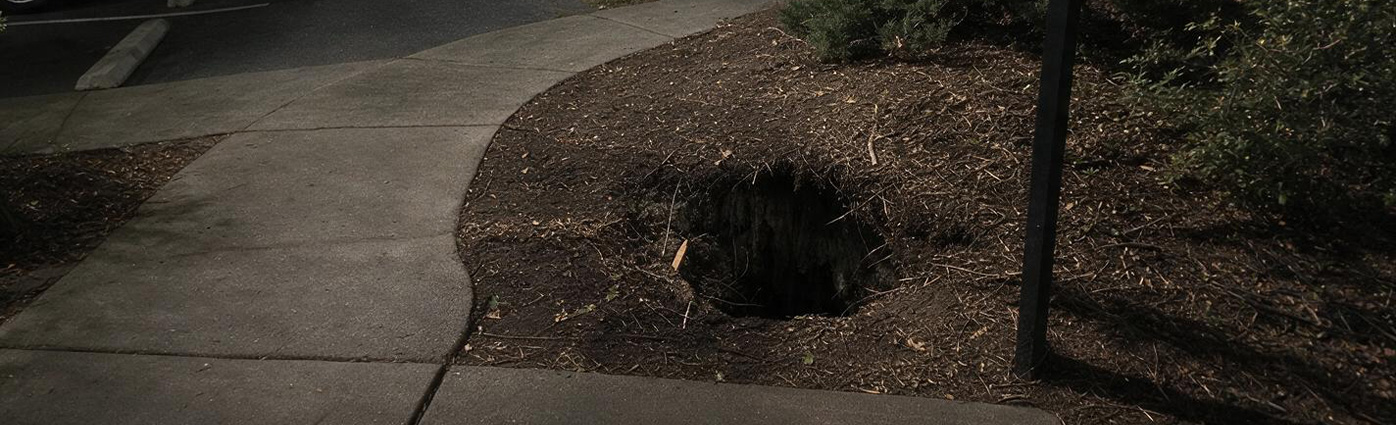
The resident was a 75-year-old woman living in an apartment building specifically for elderly and disabled individuals. The company managing the building hired a concrete contractor to replace the slab under the property’s shared dumpster. When the contractor finished and left, it created a trench about 10 feet long and four inches deep along the edge of the new concrete, right beside the trash area every resident used.
The trench stayed uncovered and unmarked for weeks. No cones, no caution tape, no warnings, and the parking lot was allegedly underlit. Early one October morning, in the dark, the resident stepped into the trench while carrying out her trash and fractured her ankle. She needed surgery.
She sued the management company and the contractor. The trial court dismissed both claims before trial, and the Court of Appeals agreed. The Michigan Supreme Court reversed and sent the case back so it can proceed toward a jury.
The Ruling That Matters Most for Senior Living: Safety Is Judged for the Residents Who Actually Live There
Michigan law places an automatic promise in every residential lease under MCL 554.139(1)(a): the landlord covenants that the property and all shared common areas are fit for the use the parties intended. Walkways, parking lots, hallways, and trash areas are common areas.
The Supreme Court’s key move was to reject the idea that fitness is measured in the abstract. Because this building held itself out as housing for elderly and disabled tenants, the Court held that fitness had to be evaluated in light of those residents. To meet its duty, the management company had to make sure elderly and disabled residents had reasonable and safe access to dispose of their trash. A hazard that a healthy 30-year-old might sidestep can render the same area unsafe for a resident who is frail, uses a mobility device, or cannot see a four-inch drop in a dark parking lot.
That principle carries directly into the world of senior living. Facilities that recruit elderly and disabled residents, advertise accessibility, and profit from serving a vulnerable population cannot then insist their common areas only need to be safe enough for the general public. The people who live there are exactly the people the property has to be kept safe for.
The Court Also Closed a Common Escape Hatch for Facilities
For years, property managers leaned on a phrase from an older case, Allison v. AEW Capital Management, to argue that a hazard was just a “mere inconvenience of access” that residents could walk around. Lower courts turned that phrase into a routine way to dismiss cases
The Supreme Court shut that door. It clarified that “mere inconvenience” is not the controlling test. The real question is whether the common area was fit for its intended use under the actual circumstances. A dangerous condition does not become acceptable simply because a resident could, in theory, take a longer or different path around it. That change removes a favorite defense in senior housing injury cases.
Facilities Cannot Blame the Contractor and Walk Away
The decision also confirmed that a contractor who creates a dangerous condition can be held responsible even after it leaves the job. The contractor here argued it could not be sued because it no longer controlled the property nine days later when the fall happened. The Court disagreed, holding that a contractor has a duty to perform its work with reasonable care so it does not create an unreasonable risk of harm. The contractor’s own owner admitted the trench could be a tripping hazard and that his crews normally marked such conditions with cones or caution tape.
Renovation and maintenance work is constant in senior living facilities. When that work leaves a hazard behind, the facility, the management company, and the contractor can each bear responsibility. Sorting out who is accountable is central to building a strong case.
Why This Decision Matters for Families of Senior Living Residents
Falls are the leading cause of injury and injury-related death among older adults, and a fall that would leave a younger person bruised can leave an elderly resident with a fractured hip, a fractured ankle, a head injury, or worse. Bowerman strengthens the hand of injured seniors and their families in three ways:
Safety is measured for the vulnerable residents who live there. A facility that markets to seniors is held to a standard that reflects who its residents actually are.
A resident’s awareness of a hazard does not end the case. The defense argued the resident knew about the trench and had avoided it before. The Court held that this goes to comparative fault, not to whether the defendants were negligent. Michigan is a comparative fault state, so partial fault reduces a recovery but does not automatically bar it. This matters because facilities often argue a resident “knew better.”
The “open and obvious” defense continues to shrink. Michigan courts once dismissed injury cases by calling a danger obvious. That question now relates mainly to how fault is divided, not to whether a family can bring a case at all.
Frequently Asked Questions
Can I sue a senior living facility if my loved one was injured in a common area?
Often, yes. Under MCL 554.139, Michigan requires that shared areas like walkways, parking lots, and trash areas be fit for their intended use. When a property houses elderly and disabled residents, that fitness is judged with those residents in mind.
Does it matter that the facility says my loved one knew about the hazard?
It matters, but it does not end the case. Michigan uses comparative fault, so a resident’s awareness may reduce a recovery. It does not erase the facility’s responsibility to keep the area safe.
My loved one was hurt by construction or maintenance work at their facility. Who is responsible?
Possibly more than one party. A contractor that creates a hazard can be liable even after finishing the work, and the facility or management company may share responsibility for failing to fix or warn about it.
Is this the same as a nursing home negligence case?
The reasoning applies across the senior living spectrum, including independent living, assisted living, and nursing home facilities. The specific claims available depend on the type of facility, the care promised, and the facts of the injury.
How long do we have to act in Michigan?
Michigan sets strict filing deadlines that vary by the type of claim and the parties involved. Evidence in these cases can disappear quickly, so it is important to speak with an attorney promptly.
Talk to a Michigan Senior Living and Nursing Home Injury Attorney
If your elderly or disabled loved one was injured by an unsafe condition in senior housing, assisted living, or a nursing facility, your family may have a stronger claim than you realize. Our attorneys have spent decades holding facilities, management companies, and contractors accountable for serious injuries to Michigan’s most vulnerable residents.
Contact us today for a free, confidential consultation. There is no fee unless we recover for your family.
This post is for general information and is not legal advice. Every case turns on its own facts. To discuss your specific situation, contact a licensed Michigan attorney.
About the Author
Donna MacKenzie is a partner at Olsman MacKenzie Peacock and a past president of the Michigan Association for Justice. She has recovered millions of dollars for Michigan families in nursing home, assisted living, and personal injury cases, and is recognized in Best Lawyers in America and Michigan Super Lawyers.